
How Quebec’s Freeze–Thaw Cycles Secretly Damage Your Windows and Doors Every Winter
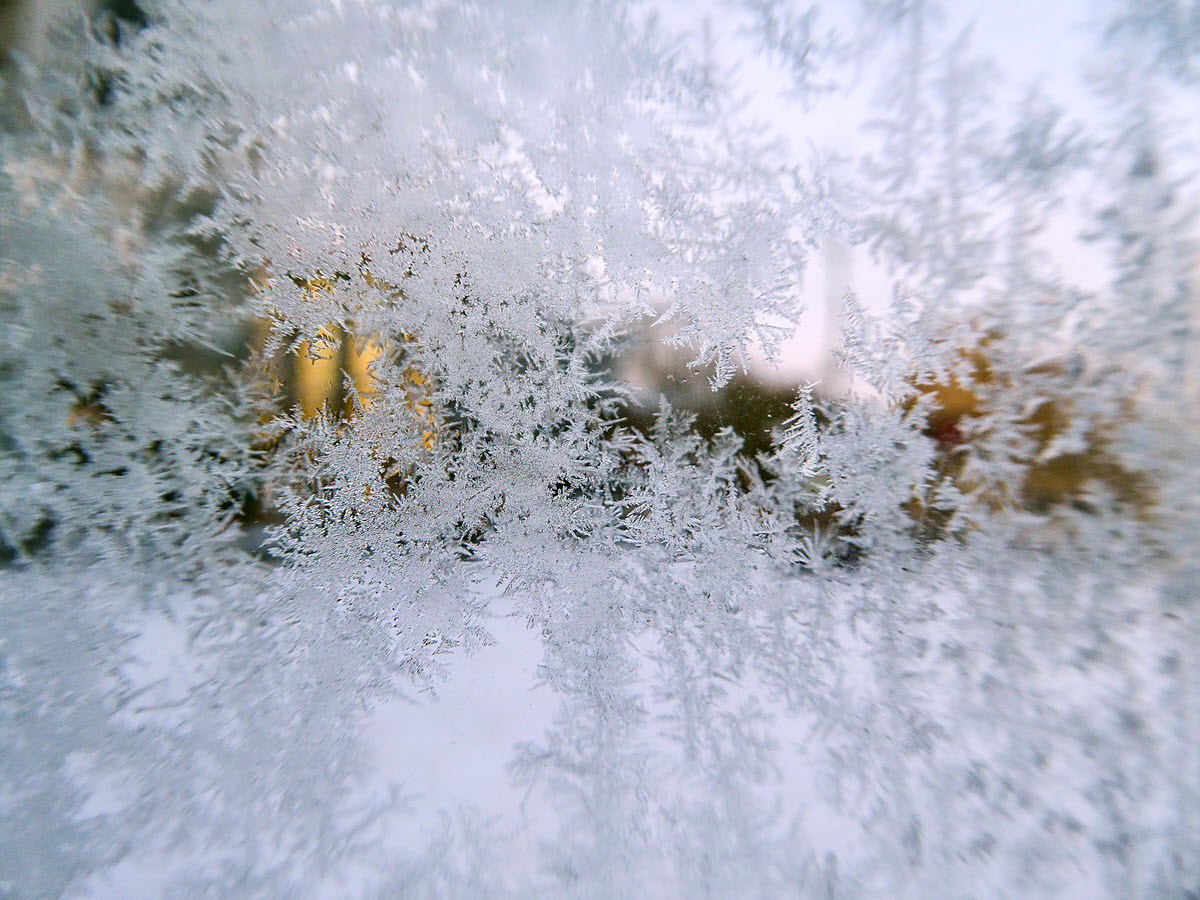
Every winter, Quebec transforms into a landscape of heavy snow, icy streets, and early sunsets. But beneath the beauty of the season lies a powerful natural force that quietly damages homes year after year: the freeze–thaw cycle. This repeated pattern of freezing at night and thawing during the day is one of the most destructive processes affecting residential windows, doors, and garage doors—yet many homeowners remain unaware of the long-term harm it causes.
As November arrives, the first signs of this cycle begin to appear. Temperatures fluctuate dramatically, moisture clings to exterior surfaces, and early frost forms in the morning only to melt by midday. This is the moment when the most subtle deterioration begins: water seeps into microscopic gaps, freezes again at night, expands, and slowly pushes building materials apart. What starts as a barely visible crack can turn into compromised insulation, warped frames, and leaking windows by January.
Windows are often the first victims. Even small amounts of moisture entering the frame can cause stress on vinyl or hybrid materials, forcing them to bow outward. Older wooden frames absorb water like a sponge, making them vulnerable to rot when the cycle repeats hundreds of times throughout the winter. The seals inside double- or triple-pane glass units can also weaken over time; once the seal fails, condensation fills the space between the panes, reducing clarity and dramatically lowering energy efficiency. Many homeowners only notice these problems once indoor drafts become impossible to ignore.
Doors are equally affected. As moisture enters the frame and repeatedly freezes, the door can shift out of alignment, making it harder to close fully. Weatherstripping begins to shrink or tear, allowing cold air to slip through the smallest openings. Even high-quality doors can swell or contract under changing temperatures, and when the freeze–thaw cycle becomes severe, locks and hinges may begin to operate less smoothly. The threshold—often overlooked—can warp or lift just enough to create a gap that undermines a home’s insulation.
Garage doors face some of the harshest challenges. Their large surface area and constant movement mean even small structural stresses quickly turn into functional issues. The freeze–thaw cycle can cause metal tracks to contract, rollers to stiffen, and bottom seals to crack as ice forms beneath them. Panels may bend under repeated stress, especially on older doors with low insulation. A poorly insulated garage dramatically increases heat loss, especially in homes where living spaces sit directly above the garage.
This is why November is the ideal month to address these issues—before long stretches of subzero temperatures make repairs more difficult and less effective. Sealants bond better in mild temperatures, frames can be adjusted without the brittleness caused by extreme cold, and insulation materials perform at their best when installed before heavy frost arrives. By inspecting or upgrading now, homeowners can prevent months of heat loss, reduce their energy bills, and avoid the discomfort of drafts and moisture buildup when winter is at its worst.
Mystro Windows & Doors specializes in products engineered for the realities of Quebec winters. From freeze-resistant vinyl frames to insulated fiberglass doors and high R-value garage doors, every solution is designed to withstand the pressure of repeated freeze–thaw cycles. Professional installation ensures that materials are properly sealed, aligned, and reinforced—protecting your home for many winters to come.
If you want your home to withstand winter’s hidden forces, November is your window of opportunity. A small adjustment or upgrade today can save you from considerable damage and high heating costs when winter reaches its full intensity.